The Kakuma Project

Four programs, every school day

Each one removes a barrier between a child and a classroom.

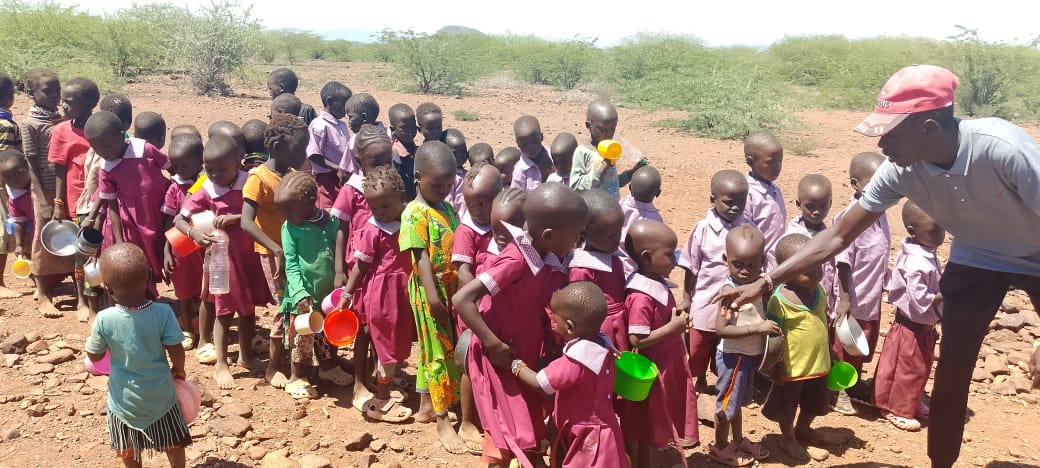
Village children in pink school uniforms queue with bowls and cups for a lunchtime meal while a TNCH worker serves them
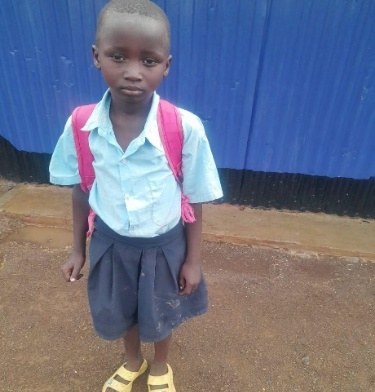
A sponsored pupil in a light blue school shirt with a pink backpack

School sponsorship

Fees, uniform and transport for fifty children in Kakuma's primary and secondary schools.

A$1,250

keeps a child in school for a year

What it costs

In the first term of 2026 TNCH paid 416,000 Kenyan shillings (about A$5,000) in school fees for 50 pupils, plus 37,000 shillings (about A$460) to bring secondary students back after the half-term break.

A year of fees for all 50 children is 1,200,000 shillings, about A$15,000.
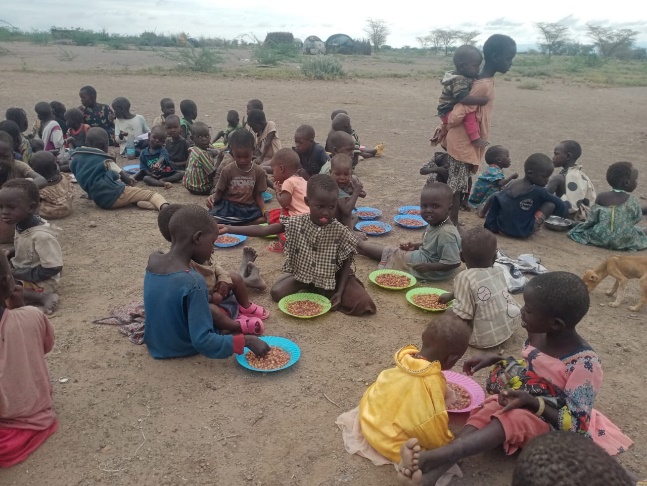
Dozens of children sit on the ground eating from colourful plastic bowls

Daily meals

A lunchtime meal in each village, often the only reliable food a child eats that day.

A$25

feeds a child for a week

Why it matters

Families across Kabokorit, Kalemchuch, Nadapal and Komudei live with protein, mineral and vitamin deficiencies that leave children open to malaria, cholera, typhoid and dysentery. A$50 a month sustains one child's meals across the school year.

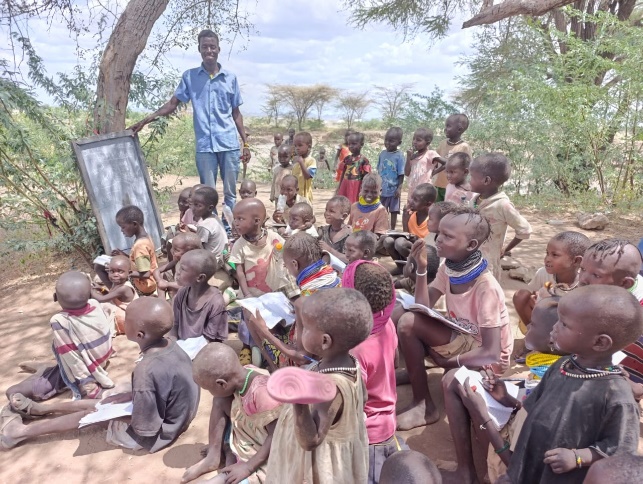
A volunteer teacher stands at a blackboard propped against a tree while children sit on the ground with papers

Early learning

Two volunteer teachers bring literacy and numeracy to children with no school, often under a tree.

A$375

a month pays both teachers

What it does

Both salaries come to 30,000 shillings a month. The classes prepare children to enter primary school as soon as a sponsored place opens, and the impact is measured in classrooms filling up.

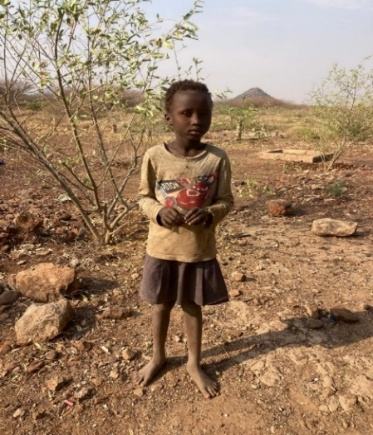
A young child stands barefoot among dry thorn bushes

Mentorship and care

Social workers visit children at school and at home, and reach those living on the streets of Kakuma town.

4

villages visited, plus Kakuma town

What comes next

Zipporah Esekon leads the social work team. For a child facing disease, grief or family breakdown, that consistent presence changes everything. A mentoring program pairing Australian volunteers with sponsored students rolls out in stages through 2026. About the mentoring program

From a tree to a school

Village classes meet under an acacia. The plan: shelter now, a school to come.

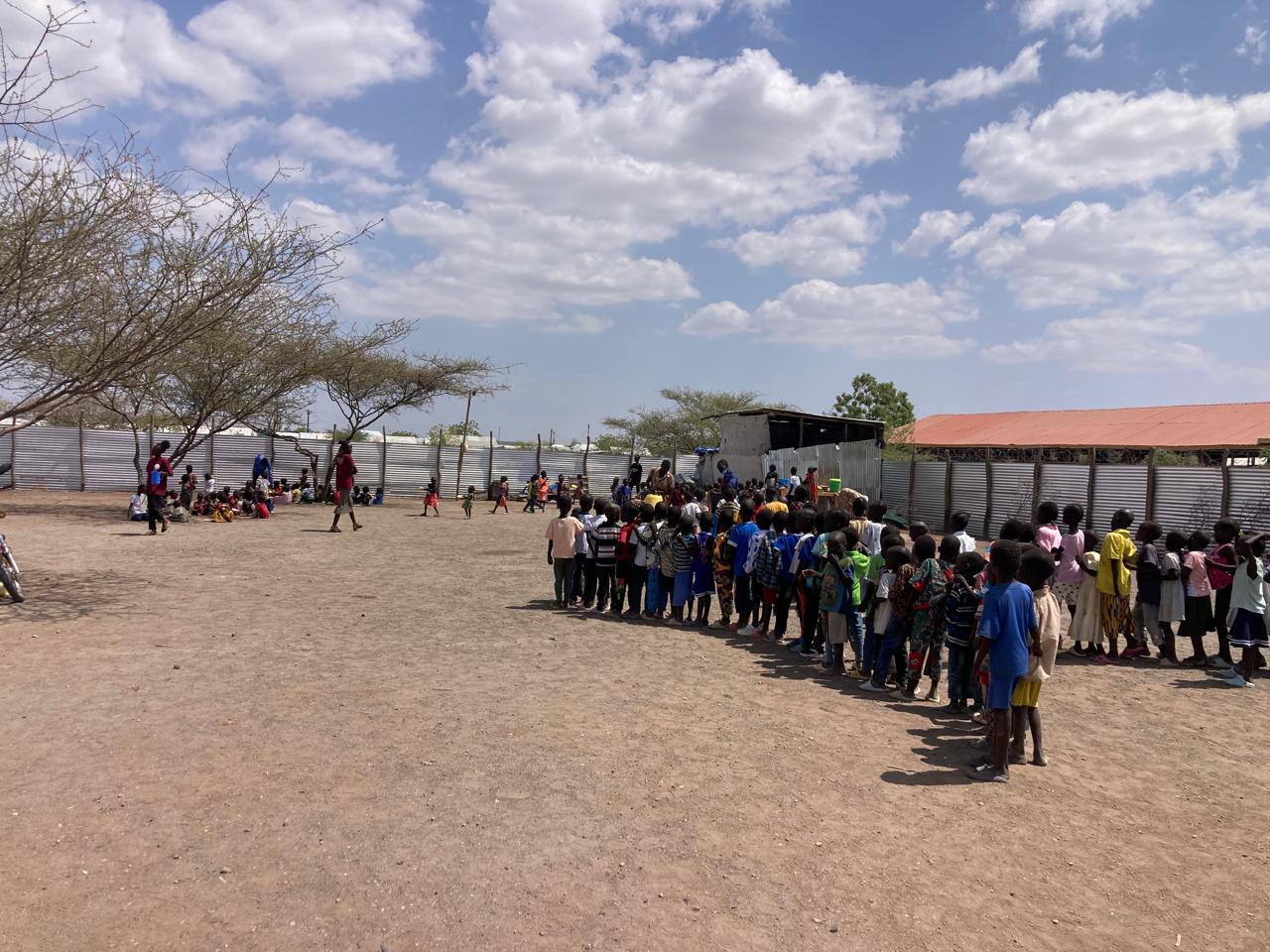
Children line up in the yard at Turkana Needy Children's Home under an acacia tree, beside tin-walled buildings

Now: a temporary classroom

Shelter and a safe place to learn while the school is planned.

A$4,400

to build it

27 percent funded. A$1,200 raised so far.

Help build the classroom

Next: a permanent school

A residential school with education and vocational skills, so young adults leave ready to work.

In planning

capital campaign after the classroom

Keep a child in school

Tax-deductible in Australia through Interseed. Write “Kakuma Children Education” in the comment box.